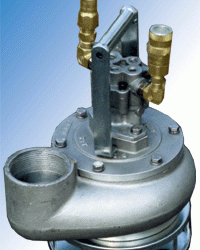
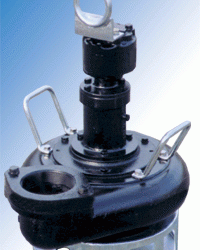
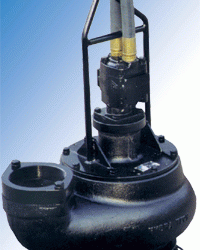
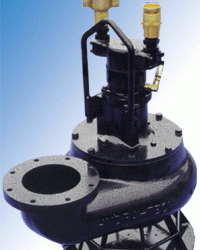
Move dirty water, sludge, sand, slurry and solids-laden liquids with pumps designed for demanding dewatering and material-handling applications.
York Fluid Controls supplies trash pumps, submersible pumps, dewatering pumps, slurry pumps and sludge pumps for industrial, construction, municipal, wastewater and mining applications throughout Ontario. Our team can help determine the appropriate pump type, drive configuration and solids-handling capability for the job.
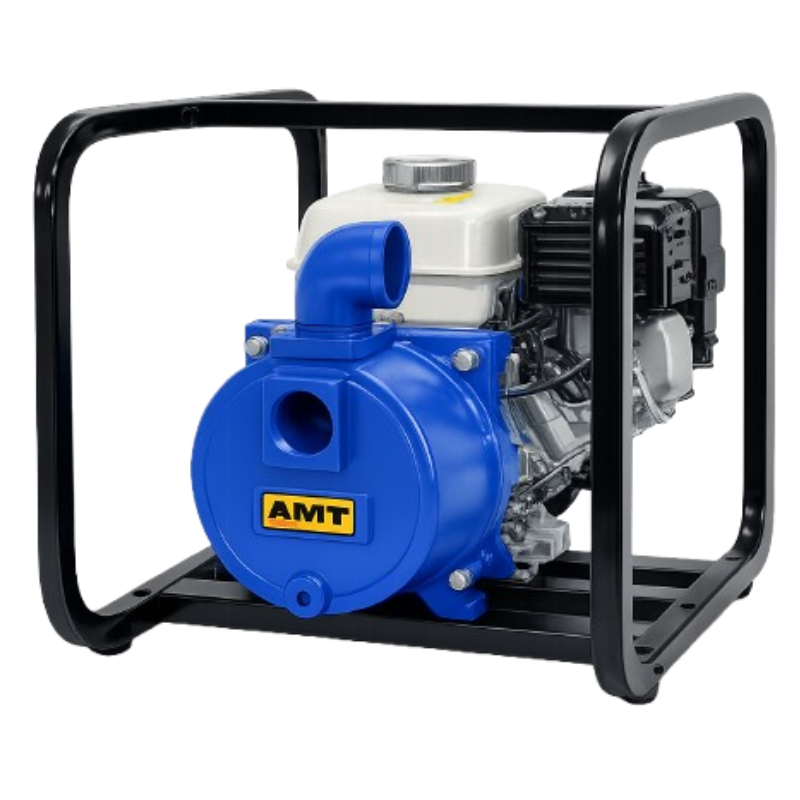
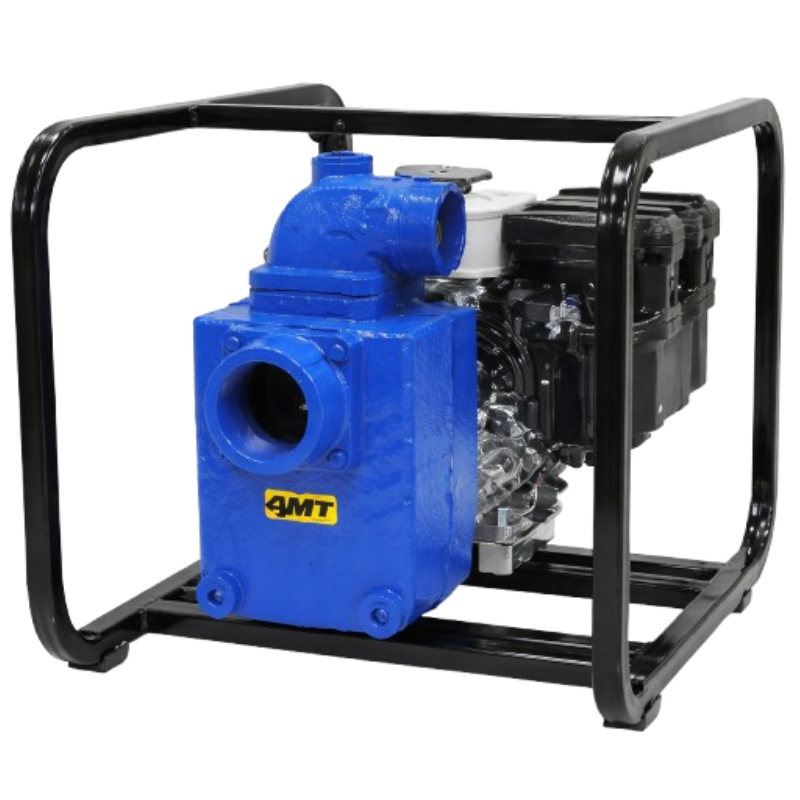
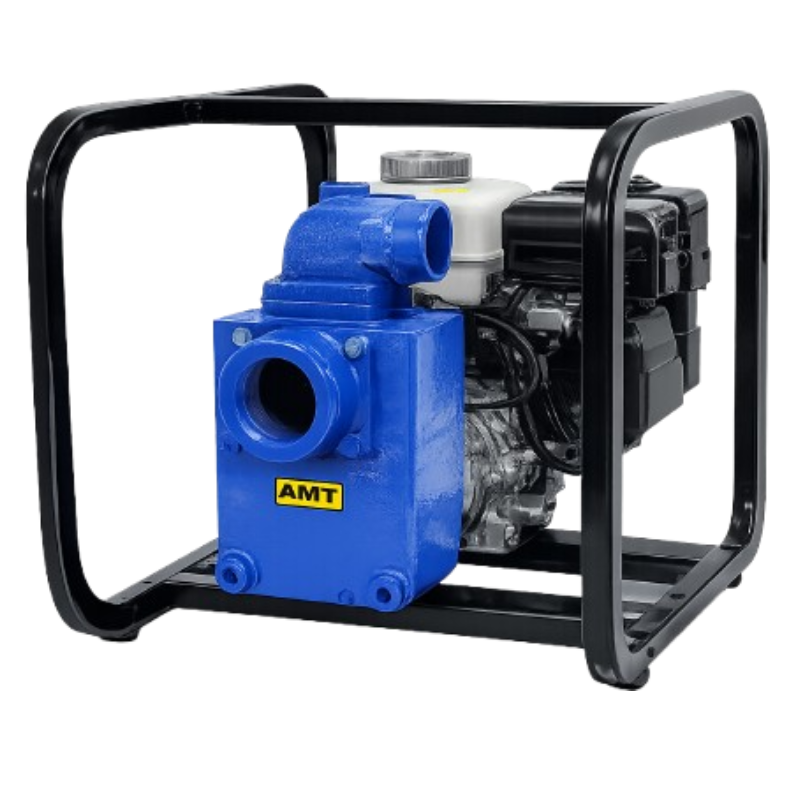
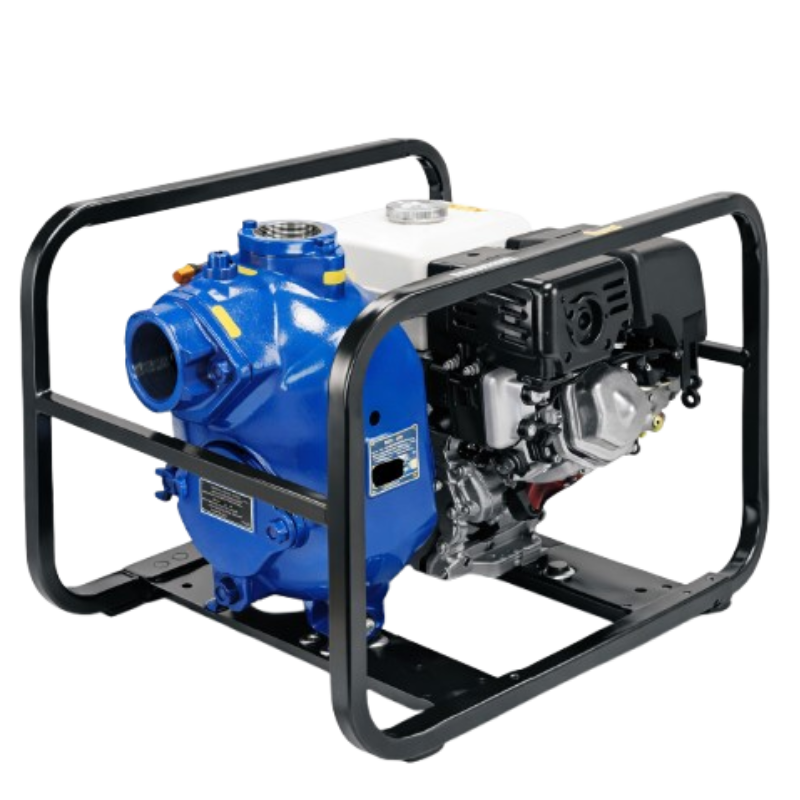
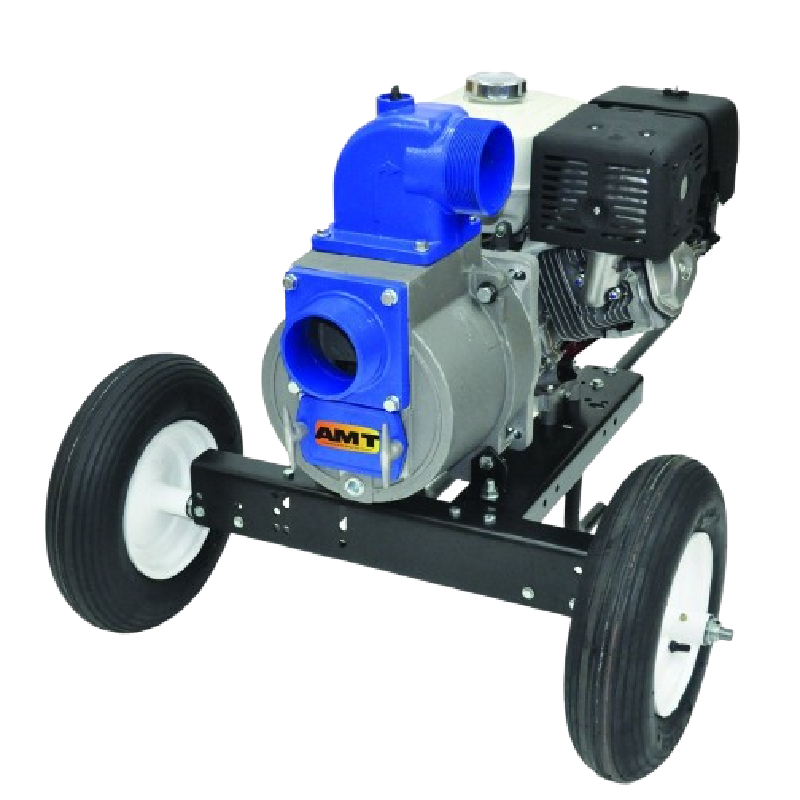
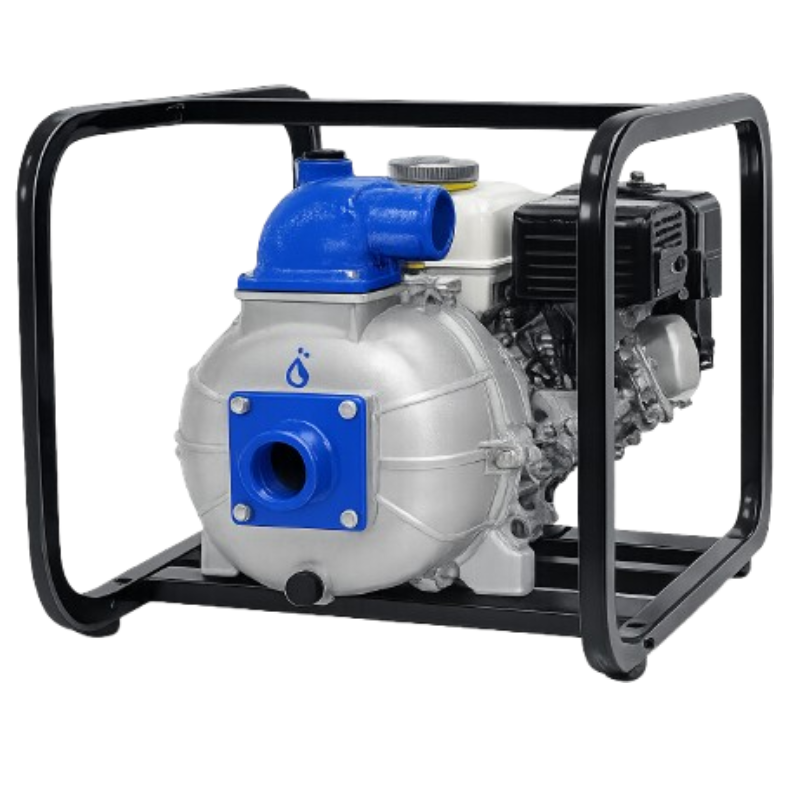
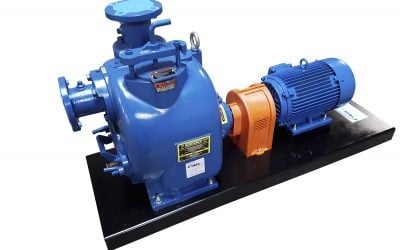
A trash pump is designed to move water containing solids and debris that could clog a standard water pump. Larger internal passages allow many models to handle materials such as mud, sand and other suspended solids.
Trash pumps are commonly used for construction dewatering, sumps, wastewater, floodwater removal and other applications involving dirty or solids-laden water.
Not sure which pump is right for your application? Contact York Fluid Controls for help selecting the appropriate trash, slurry or dewatering pump.
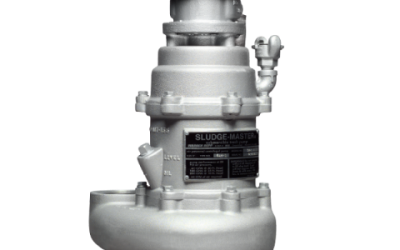
The terms trash pump, slurry pump, and sludge pump are sometimes used interchangeably, but the applications can be very different.
Selecting a pump based only on the general term used for the fluid can lead to poor performance. Solids size, solids concentration, abrasiveness and fluid consistency should be evaluated before a pump is specified.
Trash, slurry, sludge, and dewatering pumps support applications in which water and solids must be moved reliably under difficult site conditions.
Common uses include:
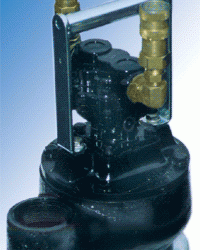
Submersible configurations are particularly useful where the pump can be lowered directly into the fluid. Hydraulic-drive pumps can also provide an alternative where using an electric motor at the pumping location is impractical for the application.
Pump selection should start with the actual operating conditions rather than simply matching an existing pipe diameter.
Consider these factors:
York Fluid Controls can review these requirements and help match the pump to the hydraulic and solids-handling demands of the application.
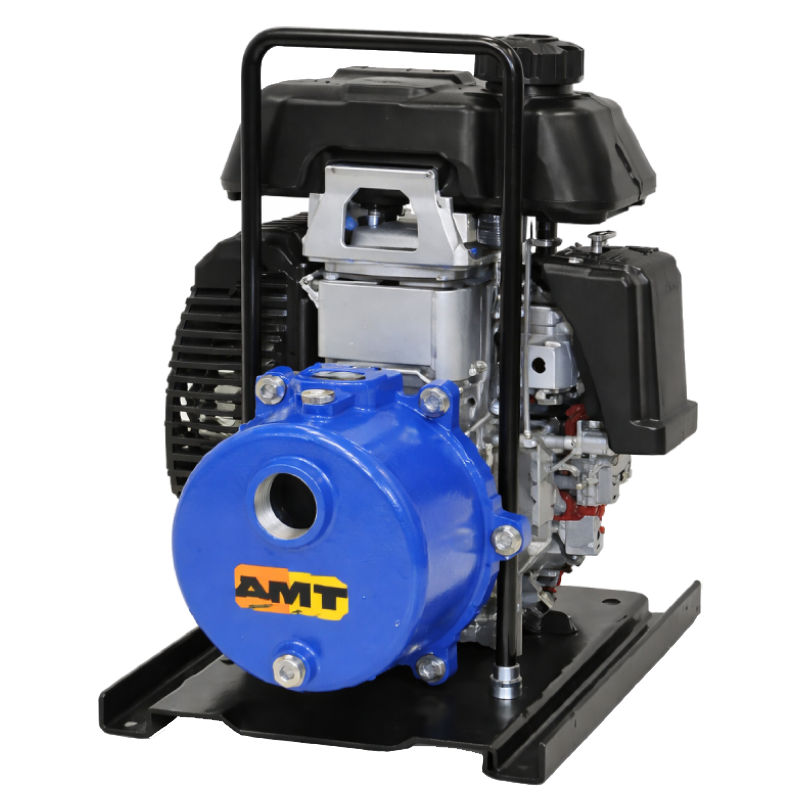
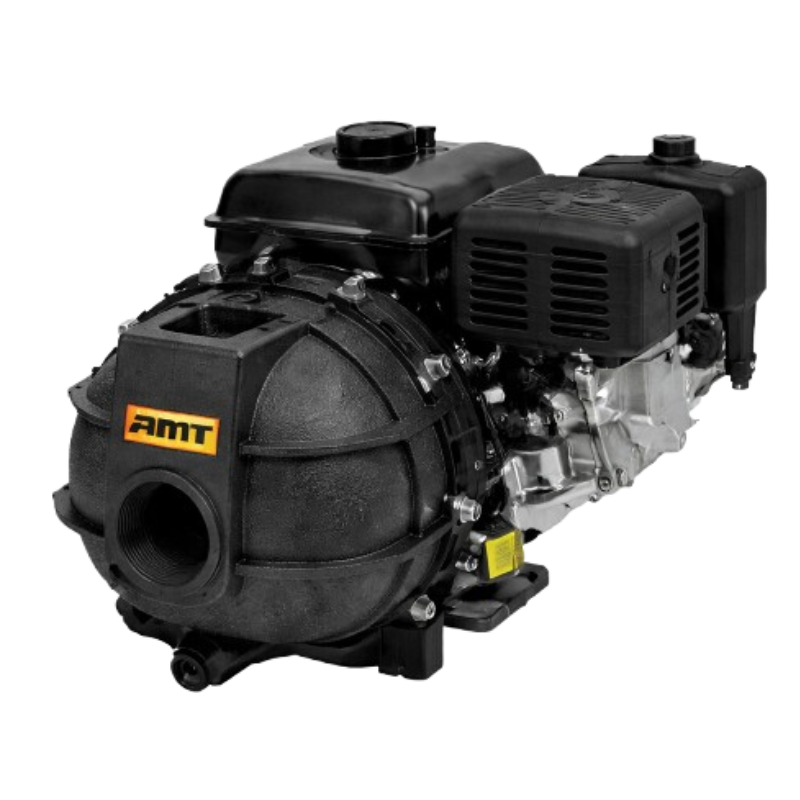
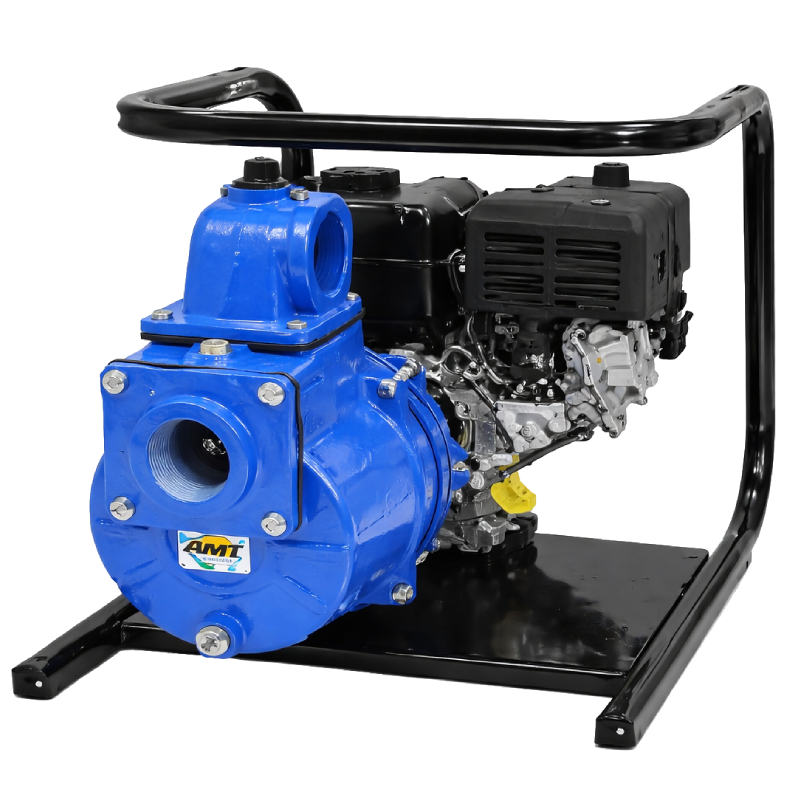
York Fluid Controls supplies a range of trash and submersible pump configurations from manufacturers including AMT, Hydra-Tech, SANDPIPER and Titan.
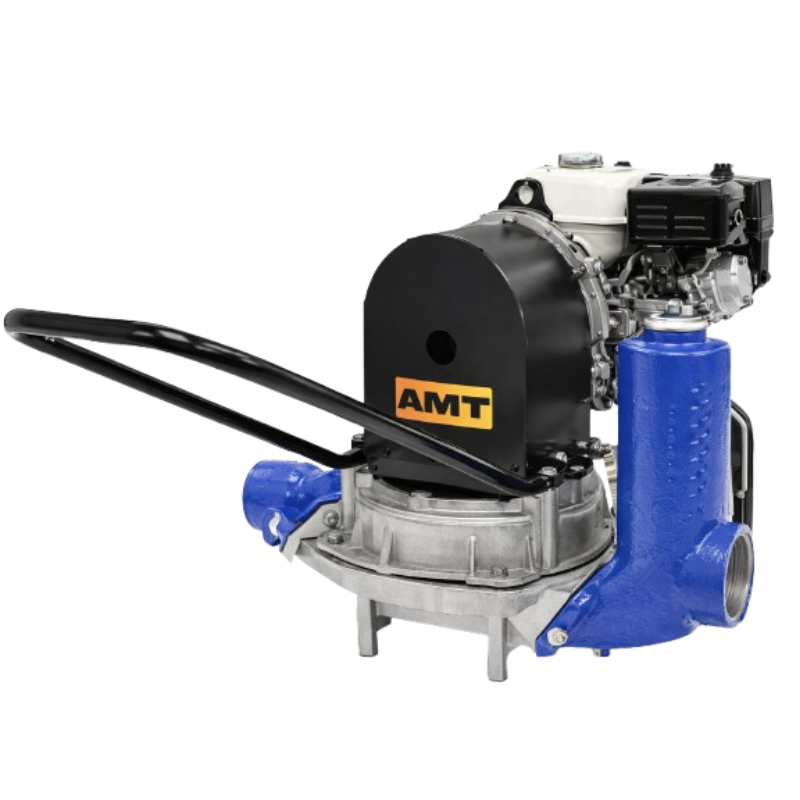
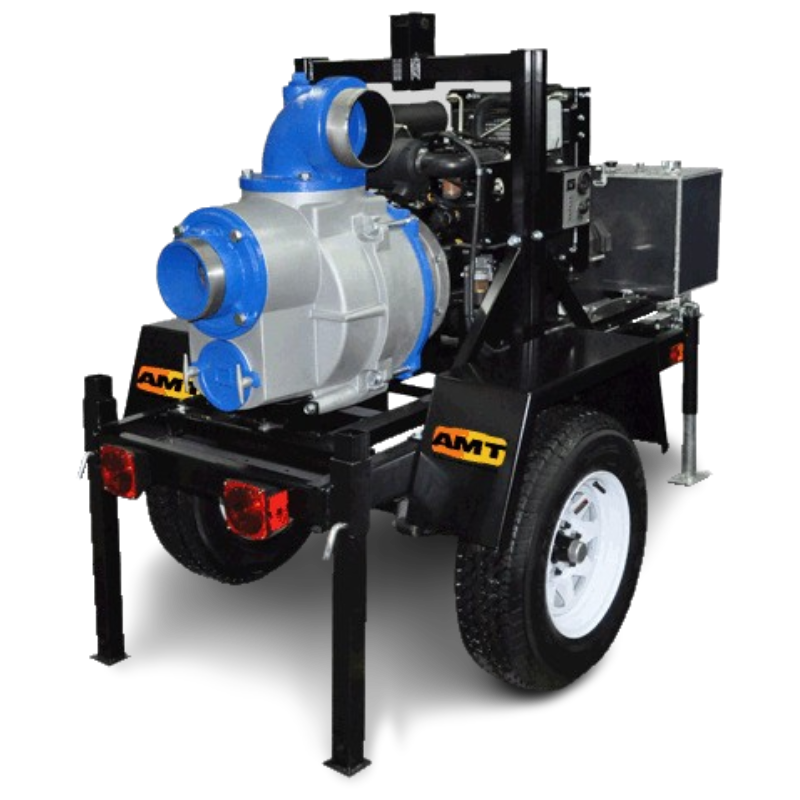
Available equipment includes portable trash pumps, hydraulic submersible trash pumps, sewage and wastewater pumps, dewatering pumps and purpose-built sand and slurry pumps.
Hydra-Tech models, for example, include compact hydraulic submersible pumps for wastewater and construction duties as well as sand and slurry pumps designed to put settled solids into suspension.
This range allows pump selection to be based on the job rather than trying to adapt one pump design to every type of dirty-water or solids-handling application.
Solids-handling pumps operate in environments that can accelerate wear. Abrasive particles can affect impellers, wear components and seals, while fibrous material or oversized debris can create blockages.
York Fluid Controls provides pump inspections, maintenance, overhaul and repair services for industrial fluid-handling equipment. Both in-house and on-site service options are available depending on the equipment and application.
When a pump is no longer delivering the expected flow or pressure, inspection can help determine whether the issue comes from normal wear, damaged components, blockage, operating conditions or an incorrectly selected pump.
Access to replacement parts and repair support can also extend equipment life and reduce the downtime associated with replacing complete pump assemblies.
From its Brampton sales and service facility, York Fluid Controls supports industrial fluid-handling requirements throughout Ontario.
In the GTA and across Ontario, trash and dewatering pumps are used for construction, municipal, manufacturing, wastewater and infrastructure applications.
For industrial & mining projects in Northern Ontario, pump selection may involve mine dewatering, slurry handling, sumps, process water and other demanding solids-handling duties. Equipment for these environments must be selected with factors such as abrasion, debris, portability, available power and service conditions in mind.
Our team can help evaluate those requirements and identify an appropriate pump configuration for permanent, temporary or emergency pumping duties.
A reliable dewatering or solids-handling system begins with accurate application information.
When requesting a quote, provide the required flow, discharge distance and elevation, fluid description, expected solids size and concentration, available power source and whether the pump will operate continuously or intermittently.
For slurry or sludge applications, information about specific gravity, abrasiveness and consistency can further improve pump selection.
Contact York Fluid Controls to discuss your application and request a quote for a trash pump, submersible pump, dewatering pump, slurry pump or sludge pump.
Trash pumps are designed to move water containing solids and debris such as mud, sand and other suspended material. The maximum size and type of solids that can pass through the pump depend on the specific model and impeller design.
Not necessarily. A dewatering pump describes the function of removing unwanted water. Some dewatering applications involve clean or lightly contaminated water, while others require a trash pump capable of passing larger solids.
A trash pump generally handles water containing debris or suspended solids. A slurry pump is intended for mixtures containing a significant amount of solid material, often including abrasive particles such as sand or mineral solids. Slurry service may require specialized materials and hydraulic designs to manage wear.
A submersible pump is useful when the pump can be placed directly in a pit, sump, excavation or body of water. This eliminates the need for a suction line between the liquid and pump inlet. The correct submersible design still depends on flow, head, solids and the available power source.
Certain models can. Purpose-built submersible slurry pumps are available for abrasive solids and settled material. Some incorporate agitators to loosen sediment before it enters the pump. A standard drainage pump should not automatically be assumed suitable for slurry service.
Determine the required flow rate and total dynamic head, then evaluate the fluid and solids the pump must handle. Hose or pipe diameter, discharge distance, vertical elevation, solids size and available power can all affect the final pump selection.
You're about to use our sticky note tool to submit website requests to our team. Click the "Accept" button to download a cookie that will authorize you to see and use the tool on this device.
To leave a Sticky note, click the comment button and then click anywhere on the page.
We couldn't activate the sticky note tool. Please reload the page and try again — if it keeps happening, let your site contact know.